
In industries where cleanliness and contamination control are crucial, such as cleanrooms and laboratories, the use of protective gear like shoe covers is essential. Shoe covers help prevent contaminants from entering these controlled environments, ensuring both the integrity of the workspace and the safety of the personnel involved. The shoe cover making machine plays a pivotal role in automating the production of shoe covers, improving efficiency, hygiene, and safety standards. This article will explore how shoe cover making machines contribute to enhancing safety in cleanrooms and laboratories, where stringent cleanliness protocols are a necessity.
Cleanrooms and laboratories are highly regulated environments where contamination control is vital to the success of research and manufacturing processes. Whether it's pharmaceuticals, biotechnology, or microelectronics, the smallest contamination can have catastrophic consequences. One of the most basic yet effective tools in preventing contamination is the shoe cover, which acts as a barrier between the external environment and the sterile floor. The shoe cover making machine ensures a consistent supply of high-quality shoe covers, made from materials that meet the specific needs of these environments, such as anti-static and non-linting materials. By automating the production process, these machines guarantee that each shoe cover is uniform in size, quality, and functionality, providing a critical layer of protection in these sensitive spaces.
The role of a shoe cover making machine extends beyond just making protective gear; it helps streamline the entire process within cleanroom and laboratory settings. Manual production of shoe covers can be time-consuming, inconsistent, and prone to errors. By using an automated system, facilities can produce large quantities of shoe covers with high efficiency, ensuring that they never run out of stock. This continuous supply minimizes downtime, as employees no longer have to wait for manually produced covers or face disruptions in the production line. The shoe cover making machine offers high-speed, automated production that supports the high demands of industries that rely on cleanrooms, allowing them to maintain a continuous workflow without compromising safety.
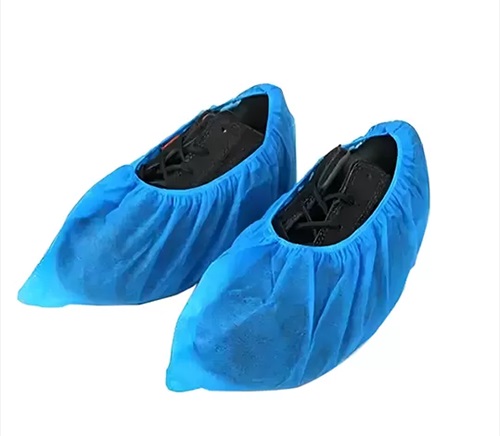
Atomic Ant Machinery's shoe cover making machine stands out in the market for its precision, durability, and user-friendly design. This machine is built to handle various materials, including non-woven fabrics, which are commonly used in cleanrooms and laboratories for their lightweight and breathable qualities. The machine's innovative design ensures that each shoe cover is produced to the exact specifications needed for cleanroom and laboratory standards. Atomic Ant Machinery's machine also incorporates advanced safety features that make it easy for operators to use, ensuring that the production process remains smooth and efficient. Additionally, the design minimizes the risk of contamination during the production process, as the machine is built with easy-to-clean surfaces and automated controls that maintain hygiene standards.
The primary purpose of a shoe cover making machine is to prevent contamination, especially in environments that require high levels of cleanliness like cleanrooms and laboratories. These spaces rely on strict hygiene protocols, where even the smallest dust particles or contaminants can impact the quality of the work being done. The shoe cover making machine ensures that shoe covers are produced in a sterile and controlled manner, reducing the risk of external contaminants being introduced into these sensitive areas. By automating the production of shoe covers, facilities can maintain a high standard of hygiene, ensuring that all personnel entering the cleanroom or laboratory adhere to the same contamination control protocols. This automation also helps meet the increasing demand for consistent and reliable protective gear, contributing to overall workplace safety.
References:
 EN
EN