
In modern laundry operations—whether in hospitals, hotels, or commercial laundries—efficiency, hygiene, and consistency are critical. The automatic bed sheet folding machine has emerged as a transformative solution, helping businesses reduce labor costs while improving output quality.
This comprehensive guide explores everything you need to know about automatic sheet folding machines, including how they work, their key features, benefits, and how to choose the right model. The insights are aligned with real-world applications, including advanced systems like the medical drape folding machine available at Atomic Ant Machinery.
An automatic bed sheet folding machine is an industrial device designed to automatically fold large flat linens such as bed sheets, hospital drapes, and tablecloths. It replaces manual folding processes with a streamlined, programmable system that ensures precision and consistency.
These machines are widely used in:
Hospitals and healthcare facilities
Hospitality industry (hotels and resorts)
Industrial laundries
Textile processing plants
Unlike manual folding, an automatic bed sheet folder can handle high volumes with minimal human intervention, significantly improving productivity.
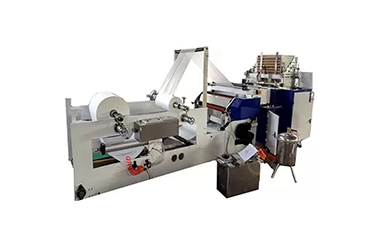
The working process of an automatic sheet folding machine is both mechanical and intelligent. Here’s a simplified breakdown:
Operators place the sheet onto a conveyor or feeding system. Advanced machines support automatic feeding integration.
Sensors detect the size and positioning of the sheet to ensure accurate folding.
The machine performs multiple folds (lengthwise and crosswise) using air jets, blades, or rollers.
Folded sheets are automatically stacked in neat piles, ready for packaging or reuse.
Modern machines use PLC (Programmable Logic Controller) systems, allowing operators to customize folding patterns based on linen size.
Selecting the right bed sheet folding machine is crucial for maximizing ROI. Below are the most important features to evaluate:
| Feature | Description | Why It Matters |
|---|---|---|
| Folding Speed | Sheets processed per hour | Determines productivity level |
| Size Compatibility | Supports different sheet sizes | Ensures versatility |
| Automation Level | Semi vs fully automatic | Impacts labor savings |
| Control System | PLC or touchscreen interface | Ease of operation |
| Material Compatibility | Cotton, polyester, blends | Expands usability |
| Integration Capability | Works with ironing lines | Enables full automation |
| Maintenance Requirements | Ease of servicing | Reduces downtime |
Energy efficiency: Lower operational costs
Durability: Industrial-grade materials ensure long lifespan
Safety features: Emergency stop, protective covers
Investing in an automatic bed sheet folding machine provides measurable benefits:
Machines can process hundreds to thousands of sheets per hour, far exceeding manual labor.
Fewer workers are needed, allowing businesses to allocate labor to higher-value tasks.
Every fold is uniform, improving presentation—especially important in hospitality and healthcare.
Minimal human contact reduces contamination risks, crucial for medical environments.
As demand grows, automated systems can handle increased workloads without compromising performance.
Modern machines integrate seamlessly with ironing and sorting systems, creating a fully automated workflow.
Choosing the right machine depends on your operational needs. Consider the following:
Small laundries: Semi-automatic models
Large-scale operations: Fully automatic high-speed machines
Hospitals: Focus on hygiene and precision
Hotels: Prioritize speed and consistency
While high-end machines require larger upfront investment, they deliver faster returns through labor savings.
Ensure your facility can accommodate the machine and workflow layout.
Choose a manufacturer with proven expertise, strong technical support, and customization options.
An automatic bed sheet folding machine is commonly used in hospitals, hotels, and commercial laundries to handle large volumes of linens. It can also be used for folding items like medical drapes and tablecloths with consistent quality.
Routine maintenance includes cleaning, lubrication, and periodic inspection. High-quality machines are designed for minimal downtime.
Modern models are designed with energy-saving features, reducing operational costs over time.
The automatic bed sheet folding machine is no longer a luxury—it’s a necessity for modern laundry operations seeking efficiency, consistency, and scalability. By investing in the right automatic sheet folding machine, businesses can significantly improve productivity while maintaining high-quality standards.
With advanced solutions like Atomic Ant Machinery’s medical drape folding machine, companies can achieve precision, hygiene, and automation at a new level.
 EN
EN