
In today's fast-paced and safety-driven healthcare landscape, medical packaging equipment plays a critical role in ensuring product integrity, sterility, and regulatory compliance. From small clinics to global pharmaceutical manufacturers, the application of medical packaging equipment is indispensable in protecting both patients and providers.
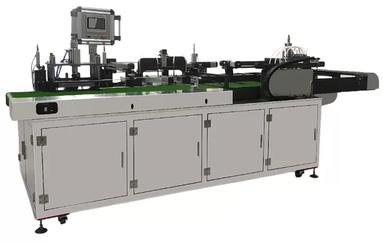
One of the most essential applications of medical packaging equipment is in the pharmaceutical industry. Packaging machines are used to safely contain tablets, capsules, powders, and injectable medications. These systems often include blister packaging machines, strip packaging machines, and vial filling and sealing systems.
A primary objective is to maintain the sterility and stability of the medication from the point of production to the moment it reaches the patient. Medical packaging equipment used in this context is typically designed to comply with GMP (Good Manufacturing Practices) and ISO standards, helping pharmaceutical companies ensure the safety and traceability of each product batch.
Another key area where medical packaging equipment is widely used is the packaging of surgical instruments and medical devices. From scalpels and forceps to catheters and implantable devices, each item must be enclosed in packaging that maintains sterility and allows for easy identification and handling.
Heat sealers, vacuum packaging systems, and form-fill-seal machines are some of the most common types of medical packaging equipment used in this sector. These machines are designed to work with materials such as medical-grade paper, and multi-layer films. The packaging not only preserves product quality but also ensures it is opened in a sterile manner during medical procedures.
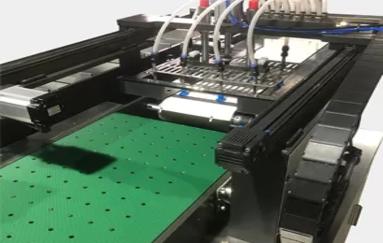
The pandemic highlighted the need for efficient packaging of diagnostic kits and consumables like swabs, reagents, and test cassettes. Medical packaging equipment used in diagnostic labs ensures these components are sealed in a way that prevents contamination and extends shelf life.
Automation has greatly enhanced the speed and consistency of this type of packaging. High-speed horizontal flow wrappers, pouch packing machines, and automated cartoning lines are increasingly being integrated into laboratories and test kit production facilities. These machines ensure that millions of diagnostic kits can be safely and consistently delivered to healthcare providers around the world.
With the rise of home healthcare and over-the-counter (OTC) products, medical packaging equipment has found broader application in creating user-friendly, tamper-proof, and child-resistant packaging formats. This includes pill dispensers, topical ointments, and pre-filled syringes.
Manufacturers rely on medical packaging equipment to deliver products that are safe to use in non-clinical settings. These machines can be tailored to create packaging with specific features such as easy-tear seals, reclosable zippers, or unit-dose packs that help ensure compliance and reduce medication errors at home.
In response to increasing concerns over counterfeit medical products, many manufacturers are turning to medical packaging equipment integrated with track-and-trace technology. Serialization systems allow each package to carry a unique identifier, making it easier to monitor the product throughout the supply chain.
By integrating barcode printers, vision systems, and real-time monitoring tools, modern medical packaging equipment helps manufacturers enhance transparency, traceability, and patient safety.
From preserving drug efficacy to ensuring the sterile delivery of surgical tools, medical packaging equipment is a cornerstone of the modern medical supply chain. Its applications span nearly every segment of the healthcare industry, providing not only protective barriers but also logistical and regulatory advantages.
 EN
EN