
In the modern healthcare industry, packaging is not just about presentation—it is about safety, sterility, compliance, and efficiency. A medical packing machine plays a critical role in ensuring that medical products remain uncontaminated and compliant with strict regulatory standards.
As global demand for medical supplies continues to rise, manufacturers are increasingly turning to advanced medical packaging equipment to improve productivity, maintain sterility, and reduce operational costs. In this comprehensive guide, we explore everything you need to know about medical packaging machines, including types, features, selection tips, and industry best practices.
A medical packing machine is specialized equipment designed to package medical products such as surgical tools, syringes, gloves, masks, and pharmaceutical items under hygienic and controlled conditions.
Unlike standard packaging systems, these machines are engineered to meet stringent medical standards such as:
Sterility assurance
Contamination prevention
Traceability and compliance (FDA, GMP, ISO)
Precision sealing and packaging integrity
Modern systems offered by platforms like Atomic Ant Machinery integrate automation, intelligent control systems, and high-speed production capabilities, making them essential for large-scale medical manufacturing.
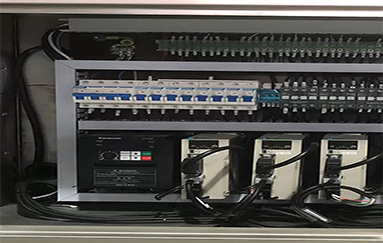
Medical packaging requirements vary widely depending on the product type, sterility level, and packaging material. Two of the most widely used machines include:
Pillow-type machines are commonly used for packaging disposable medical items such as:
Surgical masks
Bandages
Medical wipes
Small instruments
Key characteristics:
Horizontal form-fill-seal design
High-speed packaging capability
Suitable for non-vacuum sealed products
Cost-effective for mass production
These machines produce pillow-shaped packs that are lightweight and easy to store and transport.
Vacuum packaging machines are essential for sterile medical applications.
Typical uses:
Surgical instruments
Implantable devices
Sterile kits
Key characteristics:
Removes air to prevent microbial growth
Ensures long shelf life
Provides airtight and contamination-free sealing
Compatible with sterile barrier systems
Vacuum sealing is critical when maintaining sterility is a top priority.
Choosing the right medical packaging machine requires understanding the features that define performance, reliability, and compliance.
Machines must support cleanroom operation and sterile packaging standards to ensure product safety.
Advanced PLC systems and touch-screen interfaces allow for:
Precise control of packaging parameters
Reduced human error
Improved consistency
Modern machines can handle high throughput without compromising quality, which is essential for large-scale medical supply production.
A high-quality system supports multiple packaging materials such as:
Medical-grade paper
Tyvek
Plastic films
Aluminum foil
Reliable heat sealing or ultrasonic sealing ensures:
Airtight packaging
Resistance to contamination
Long-term durability
Machines must meet international certifications such as:
ISO 13485
GMP
CE marking
Hygienic design with stainless steel construction ensures:
Easy cleaning
Corrosion resistance
Reduced downtime
Selecting the ideal machine requires aligning your production needs with technical capabilities.
Consider:
Product size and shape
Sterility requirements
Packaging type (pouch, blister, vacuum, etc.)
High-speed automated systems are ideal for large-scale operations, while semi-automatic machines may suit smaller facilities.
Ensure the machine supports the packaging materials required for your product.
Choose machines that meet regulatory standards in your target market.
Working with a reliable automatic packing machine supplier like Atomic Ant Machinery ensures:
Technical support
Customization options
After-sales service
Invest in equipment that can adapt to future production increases or product diversification.
Advanced machines improve efficiency, ensure sterile packaging, reduce human error, and help manufacturers comply with international standards. They also support high-volume production with consistent quality.
Medical packaging commonly uses materials such as medical-grade paper, Tyvek, polyethylene (PE), polypropylene (PP), and aluminum foil. These materials are selected for their strong barrier properties, durability, and compatibility with sterilization processes.
Sterile conditions are maintained by operating in cleanroom environments, using validated sterilization methods like ETO, gamma, or steam, and ensuring proper sealing integrity. Regular equipment maintenance and strict operator hygiene protocols are also essential.
A medical packing machine is a cornerstone of modern healthcare manufacturing. Whether you are packaging disposable items or sterile surgical tools, choosing the right system directly impacts product safety, operational efficiency, and regulatory compliance.
By working with a trusted automatic packing machine supplier like Atomic Ant Machinery, businesses can access advanced solutions tailored to their specific needs, ensuring long-term success in a highly regulated industry.
 EN
EN