
In the fast-paced world of textile manufacturing, waste reduction has become a priority for companies striving to meet both economic and environmental goals. One area where waste is particularly significant is in pillow case production, where material offcuts, improper cuts, and inefficient processes can result in high levels of waste. However, with advancements in machinery, such as the pillow case making machine, manufacturers can achieve a new level of precision and efficiency, drastically reducing waste and improving overall production practices. Atomic Ant Machinery offers innovative solutions in this field, making it easier for manufacturers to optimize their pillow case production processes while minimizing material waste.
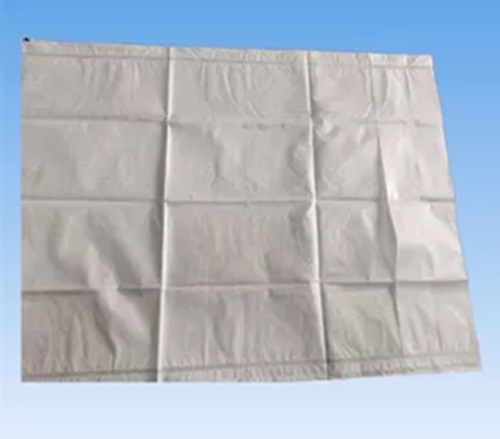
The key to reducing waste in pillow case manufacturing lies in precision. Traditional pillow case production methods often involve manual processes that can be prone to human error, leading to inaccurate cuts, uneven stitching, and unnecessary material waste. With pillow case making machines, manufacturers can achieve a high level of precision in every step of production, from cutting fabric to stitching. These machines are designed to handle fabric with great accuracy, ensuring that each piece is cut to the exact specifications, thereby reducing offcuts and material waste. By automating these processes, the machines also reduce the likelihood of errors that can lead to unusable products, further contributing to waste reduction. With better control over the fabric’s dimensions and quality, manufacturers can make the most out of every roll of fabric, increasing production efficiency and significantly cutting down waste.
In high-volume pillow case manufacturing, the role of efficiency is crucial. Pillow case making machines are designed to handle large production runs while maintaining consistent quality. These machines streamline the entire production process by automating the cutting, sewing, and finishing stages, reducing the need for manual labor and intervention. The efficiency of these machines results in faster turnaround times and higher output, but it also plays a crucial role in waste reduction. By optimizing each step of production, from fabric feeding to final inspection, the machine minimizes fabric usage and reduces the risk of defective products that may be discarded. This enhanced efficiency not only accelerates production but also ensures that resources are utilized in the most effective way possible, reducing material wastage and increasing profitability for manufacturers.
When comparing pillow case making machines to traditional methods, the difference in waste reduction is significant. Traditional manufacturing methods often rely on manual labor and older machinery that cannot match the precision and speed of modern automated machines. Below is a comparison of the waste reduction capabilities of pillow case making machines versus conventional manufacturing methods:
Feature | Pillow Case Making Machine | Traditional Manufacturing Methods |
Precision | High precision, minimal material waste | Prone to human error, leading to fabric waste |
Automation | Fully automated, reducing human intervention | Manual steps, slower production, and higher risk of mistakes |
Production Speed | High-speed production with minimal waste | Slower, with greater chance of fabric misalignment and wastage |
Fabric Usage | Optimized fabric handling and cutting | Potential for excessive offcuts and incorrect fabric usage |
Waste Reduction | Significant reduction in offcuts and defective products | Higher risk of material waste due to errors and inefficiencies |
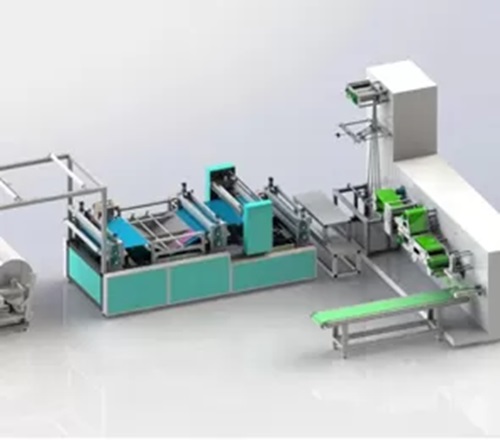
Sustainability is an increasing concern in manufacturing, and pillow case making machines are contributing to more environmentally responsible production processes. By reducing waste through more efficient cutting and stitching, these machines minimize the amount of fabric that ends up in landfills. Furthermore, the reduced need for excessive raw materials means fewer resources are consumed, lowering the environmental impact of the manufacturing process. As sustainability becomes more critical to both manufacturers and consumers, adopting technologies that reduce waste is an essential step toward creating greener production practices. The long-term environmental benefits of using pillow case making machines are clear, as they contribute to lowering the carbon footprint of the textile industry while still meeting the high demand for quality products.
In conclusion, the role of precision and efficiency in reducing waste in pillow case manufacturing cannot be overstated. The introduction of pillow case making machines has revolutionized the industry by offering a level of precision and automation that minimizes material waste, increases efficiency, and ensures high-quality products. Atomic Ant Machinery's machines provide the ideal solution for manufacturers looking to streamline their pillow case production processes, improve output, and contribute to more sustainable practices. By embracing these advanced machines, manufacturers can meet the growing demand for quality bedding products while adhering to environmentally responsible practices that benefit both the bottom line and the planet.
References:
 EN
EN