EN
EN
Tel:
0532-85875067

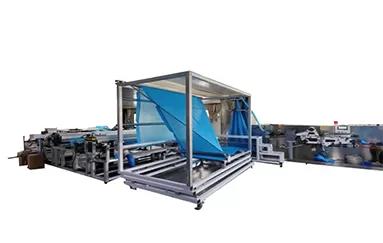
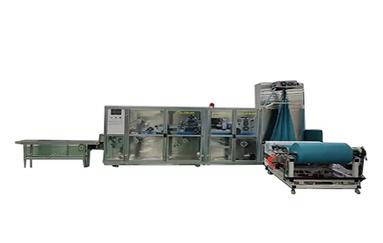
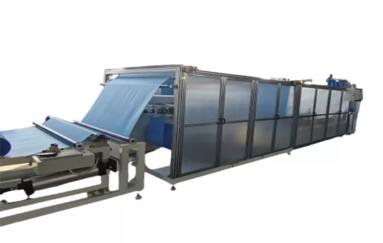
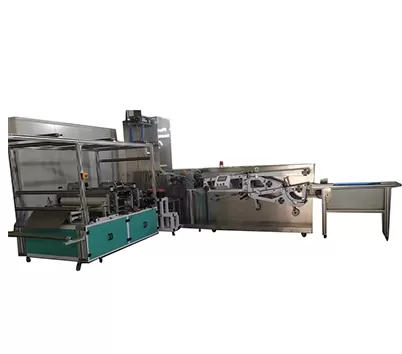
Medical transfer pad machine is used to make medical transfer pad which is used to transfer patients in hospitals to avoid harm or injury to the patients.
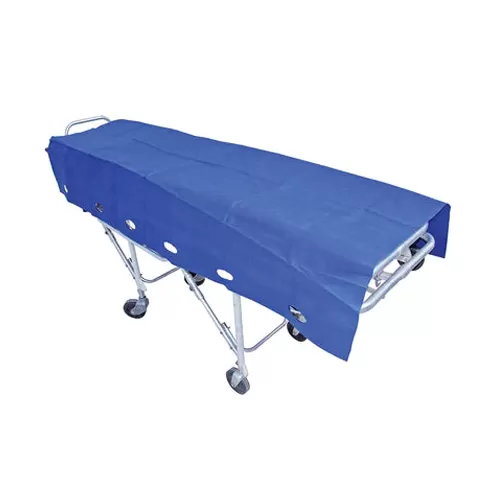
Function of Medical transfer pad
Medical transfer pads can help medical personnel reduce the physical burden on patients while moving them, and minimize discomfort and injury experienced by patients during the transfer process. Medical transfer pads can also provide better support and stability, allowing medical personnel to move patients more easily, thereby better protecting the safety of patients and healthcare workers. In medical institutions, medical transfer pads are essential and important equipment.
Principle of Medical transfer pad
Medical transfer pads are auxiliary tools used for patient transfer in medical settings. Their principle is mainly to distribute the patient's weight over the entire surface of the transfer pad, reducing pressure on local tissues, and reducing friction through a smooth surface, making it convenient for nursing staff to transfer the patient to another location. Medical transfer pads are usually made of waterproof and washable materials, which can be reused and come in different sizes and shapes to meet different transfer needs. The use of medical transfer pads is beneficial in reducing the risk of sports injuries for patients and nursing staff, improving work efficiency and safety.
1. Automatic Material Feeding
The process begins with automatic feeding of nonwoven, laminated, or PE-coated fabrics from multiple roll stations. Tension sensors maintain perfect alignment and pressure control, preventing wrinkles or uneven feeding.
2. Layer Positioning & Lamination
If the transfer pad design includes multiple layers (such as absorbent core, waterproof film, or reinforcement), the machine automatically aligns and bonds them using ultrasonic welding or heat lamination. This ensures consistent thickness and a strong, seamless bond between layers.
3. Edge Sealing & Side Welding
Ultrasonic sealing units securely close the edges of the pad to prevent leakage and maintain structural integrity. The high-frequency weld creates smooth, durable seams suitable for medical-grade fluid barriers.
4. Cutting & Trimming
A servo-driven cutting system precisely cuts each pad according to pre-programmed dimensions. The cutting length and width can be adjusted instantly through the touch-screen HMI, accommodating different pad sizes or custom orders.
5. Handle or Hole Punching
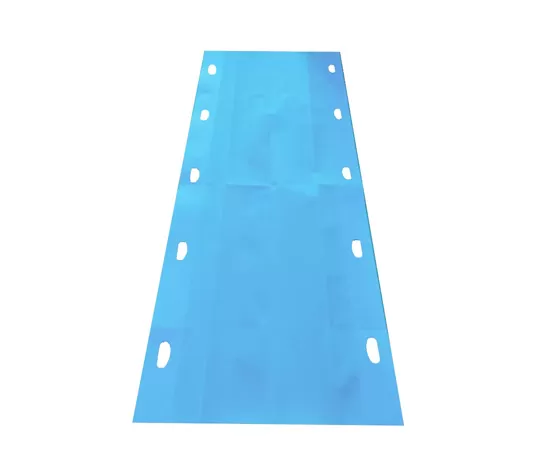
For certain medical applications, the machine can automatically punch handles or openings to assist in lifting and transferring patients. The punching module operates in sync with the cutting station for perfect alignment.
6. Folding & Stacking
After cutting, the finished pads are automatically folded into the desired format and neatly stacked for downstream packaging. This minimizes manual handling and ensures a clean, efficient flow.
7. Output Collection & Counting
A counting sensor ensures each stack contains the correct quantity. Finished transfer pads are conveyed to the packaging section, ready for sterilization or bag sealing.